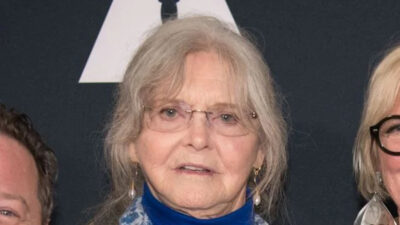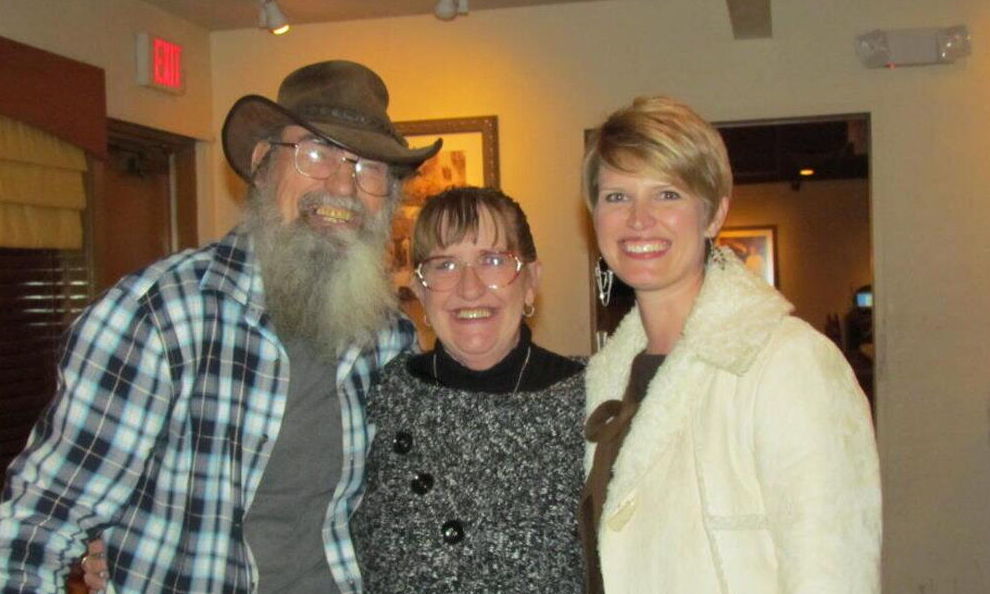
Early Life and Family Roots
Trasa Lee Robertson Cobern emerges from a family already familiar to many Texans and television viewers. Her father, Silas “Si” Robertson, became widely recognized through public entertainment. Her mother, Christine Raney Robertson, anchored the household with quieter constancy. That combination of visibility and domestic steadiness shaped Trasa’s public identity early.
She is also part of a broader Robertson lineage that includes her brother, Scott Merritt Robertson, and her paternal grandparents, James Harold Robertson and Merritt Robertson. Family narratives often become simplified when fame enters them. In Trasa’s case, the story is more intricate. She is not merely adjacent to a known surname. She is one of the people carrying it into new civic settings.
The available family details also show a strong emphasis on privacy. Public references rarely dwell on intimate matters without restraint. That discretion matters, especially when a family becomes recognizable beyond its own county. Trasa’s profile reflects that balance between public recognition and private discipline.
Education and Professional Formation
Trasa’s professional life is rooted in education and community service. She worked as a social studies and American history teacher in Tarrant County. That field requires a precise mind and a patient temperament. It also rewards people who can translate abstract systems into usable meaning.
Teaching is rarely a theatrical profession, though it demands daily performance. A classroom asks for command, clarity, and composure. Those traits often transfer into public leadership. Trasa’s later roles suggest that her academic background was not a detour. It was a durable apprenticeship in communication and civic structure.
Her work in nonprofit development added another layer. Development roles require persuasion, planning, and an instinct for institutional survival. They also demand fluency with budgets, donors, and long-range priorities. That kind of work is unglamorous but consequential. It builds the scaffolding for community programs that many residents rely upon.
Marriage and Household Life
Public reports indicate that Trasa married Kyle Cobern in 1996. That places their marriage across nearly three decades. Such longevity suggests a household accustomed to adaptation. Careers change, children grow, and public obligations intensify. A stable marriage can become the quiet architecture beneath those shifts.
The couple has four sons. Their names appear intermittently in public mentions, though the family appears careful about their visibility. That restraint is meaningful in a culture that often monetizes family exposure. Keeping children out of the spotlight is a deliberate choice. It signals that public life has limits.
Home life likely carried its own cadence of school years, athletic events, meals, and scheduling. Those ordinary tasks can seem incidental beside elections or civic titles. Yet they often determine whether public service remains sustainable. Trasa’s story suggests a person managing both the practical and the political.
Public Service and Electoral Path
Trasa’s civic trajectory includes local electoral ambition and officeholding. In 2018, she ran for Tarrant County Tax Assessor-Collector. In November 2024, she was elected to Hurst City Council, Place 7. Those two moments mark an important progression. One reflects aspiration at the county level. The other reflects success in local governance.
Local office often rewards proximity more than spectacle. Residents want familiarity, steadiness, and practical judgment. Trasa’s background seems well suited to that terrain. Teaching develops explanatory discipline. Nonprofit work sharpens operational realism. Both are useful in municipal politics.
The pace of local public service is often underestimated. Meetings, constituent concerns, and budgetary decisions can accumulate quickly. A city council member must absorb dense information while remaining accessible. That combination is rarely easy. It requires not only knowledge, but stamina and tact.
Civic Identity and Community Reputation
Trasa’s civic reputation appears to rest on a layered foundation. She is known as an educator, nonprofit leader, and elected official. She is also recognized through her family name. That dual identity can create public curiosity. It can also produce unwarranted assumptions.
Yet her visible work points toward a distinct local identity. People often inherit a famous name, but they do not inherit public competence. That must be built. Trasa’s years in education and development suggest she has done that work incrementally. Her public presence seems less ornamental than functional.
Community leadership often depends on reliability rather than charisma. The residents who remember meetings, projects, and follow through tend to notice patterns. They notice whether someone shows up, listens, and persists. In that sense, Trasa’s profile reads as practical rather than performative.
Family Reputation and Public Attention
Being the daughter of Si Robertson places Trasa inside a recognizable cultural frame. That frame brings attention, but it also distorts. Public imagination often compresses descendants into extensions of the famous parent. That is rarely accurate. Trasa’s life includes her own institutions, obligations, and decisions.
The Robertson family has long been associated with public storytelling and strong personal identity. That kind of visibility can magnify ordinary developments. A local race becomes more noticeable. A family milestone draws broader curiosity. Yet the scale of attention does not erase the local nature of her work.
Her public profile therefore sits between two registers. One register is familial and broadly familiar. The other is municipal and everyday. That tension gives her biography its particular shape. It is less about celebrity than about continuity under pressure.
Timeline of Public Milestones
| Year | Milestone | Notes |
|---|---|---|
| 1996 | Marriage to Kyle Cobern | Reported marriage during college years |
| 2000s to 2010s | Teaching career | Social studies and American history in Tarrant County |
| 2010s to present | Nonprofit development work | Public bios reference community development roles |
| 2018 | County campaign | Ran for Tarrant County Tax Assessor Collector |
| 2024 | City office | Elected to Hurst City Council Place 7 |
This timeline is concise, but it reveals a steady arc. There is no abrupt reinvention. Instead, there is accumulation. A teaching career leads into development work. Community involvement deepens into politics. The sequence feels cumulative rather than opportunistic.
That kind of progression is often more durable than sudden visibility. Public trust usually grows through repeated contact. People observe whether a candidate or official understands the local grain of life. Trasa’s experience suggests she has spent years inside that grain.
Family Relationships at a Glance
| Relationship | Name | Publicly Noted Detail |
|---|---|---|
| Father | Silas “Si” Robertson | Television personality and family patriarch |
| Mother | Christine Raney Robertson | Family matriarch |
| Brother | Scott Merritt Robertson | Brother and U.S. Army veteran |
| Husband | Kyle Cobern | Married in 1996, reportedly during college |
| Children | Four sons | Names appear selectively in public mentions |
| Grandparents | James Harold Robertson and Merritt Robertson | Paternal grandparents |
This table makes one pattern obvious. Trasa belongs to a family with strong anchors. The public record points to continuity rather than fragmentation. That continuity may help explain her own public steadiness. Family identity often forms the first civic curriculum a person receives.
Public Profile and Private Reserve
Trasa’s public visibility appears carefully managed. She is present in community and political spaces. She is also guarded about the family sphere. That balance is increasingly uncommon. It resists the modern pressure to convert every detail into content.
That reserve should not be mistaken for absence. It often signals judgment. People who live around public life frequently learn where publicity helps and where it corrodes. Trasa’s profile suggests that she understands the value of boundaries. Her children, husband, and wider family remain important without becoming overexposed.
There is also a pragmatic dimension to that approach. A public figure who serves locally must remain legible to neighbors. Excessive theatrics can become a liability. A measured profile, by contrast, can sustain trust across multiple roles.
Key Takeaways
Trasa Lee Robertson Cobern is a Texas educator, nonprofit development leader, and local elected official. Her life combines family recognition with independent civic work. She married Kyle Cobern in 1996 and has four sons. Her father is Si Robertson, which adds public familiarity, but her own record is rooted in local service. Her career shows a gradual movement from classroom work to community leadership and city governance.