Early Life and Professional Identity
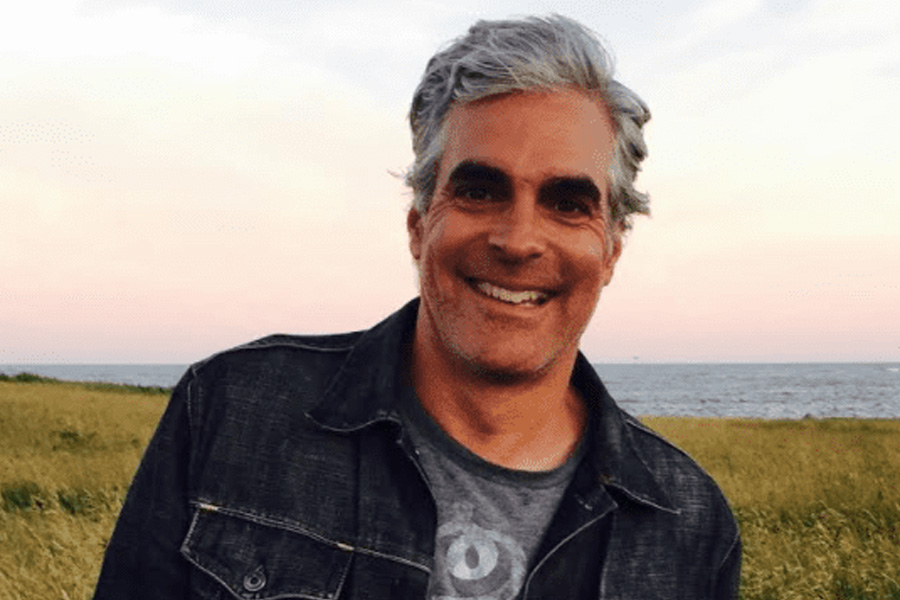
Neil Joseph Tardio Jr. is a commercial and advertising director-producer with a career shaped by precision, pace, and visual economy. His public identity is tied to film, television commercials, and occasional music video or TV work. That combination gives his career a disciplined range, yet a consistent professional temperament. He belongs to the rare class of directors who operate inside seconds rather than minutes. That demands compression, clarity, and exact tonal control.
His work has been associated with Los Angeles and New York, two cities that reward speed and aesthetic fluency. Those markets often favor directors who can translate a script into an immediate emotional event. Neil’s career appears to fit that demand closely. He has been described as a long-serving figure in short-form storytelling. His reputation rests on durable craft rather than public spectacle.
Commercial Direction and Creative Range
Neil’s career spans multiple decades, with activity reported across the 1990s, 2000s, and beyond. That length of service matters in advertising, where trends mutate quickly and styles can age with bruising speed. Sustained relevance usually signals adaptability, judgment, and reliability. It also suggests an ability to work with diverse agencies, production companies, and brand imperatives.
Commercial directors often work inside severe constraints. A 30 second spot can require the same narrative discipline as a much larger production. Neil’s body of work has been framed in precisely that context. His projects have included campaigns for consumer brands, entertainment advertisers, and sports related clients. Those assignments usually demand tonal agility, because each category has a distinct rhetorical tempo.
The commercial field also favors directors who can manage actors, timing, design, and camera movement with uncanny efficiency. A director must often secure a memorable beat in a single take. That is not merely technical labor. It is a form of kinetic authorship. Neil’s public profile places him among those who have practiced that art for years.
Professional Metrics and Industry Standing
The most useful way to understand his career is through its working parameters. His projects are often aligned with the common commercial runtime of 15 to 60 seconds. That brief duration leaves little space for waste. Every frame has to carry consequence. Directors who thrive there tend to become specialists in implication.
His career has also been linked with industry recognition. References to Cannes, Clio, Addy, and Telly style honors have appeared in public descriptions of his work. Some listings also note Emmy recognition or nominations in advertising categories. Such acknowledgments, even when scattered across different profiles, indicate a career with visible traction in professional circles.
| Metric | Notable Detail |
|---|---|
| Career span | Multi decade |
| Primary medium | Commercials |
| Additional work | Music videos, TV spots |
| Project length | 15 to 60 seconds |
| Base of operations | Los Angeles and New York |
| Recognition | Trade and festival honors |
This kind of résumé is seldom theatrical, but it is substantive. Commercial direction depends on repeat trust. Agencies return to directors who can handle pressure without diluting the idea. That trust is often the strongest currency in the business. It outlasts publicity and usually matters more than it.
Marriage Family and Public Attention
Neil’s personal life has drawn occasional public notice, largely because of his relationship with actress Téa Leoni. They married on June 8, 1991, and divorced in 1995. That period placed him briefly inside a more visible celebrity orbit. It was a notable chapter, though not the defining one. His professional identity remained rooted in directing rather than public fame.
Later public references identify Julia Hine as his subsequent spouse, with appearances under the name Julia Hine Tardio by the early 2000s. The family structure also includes two children, Max and Charlie. Public mentions of children in profiles usually remain sparse, which is common for families adjacent to industry life. Even so, those references confirm a domestic dimension to his biography. The family details give his public image some human contour.
| Family Member | Relationship |
|---|---|
| Téa Leoni | First wife |
| Julia Hine | Later wife |
| Max | Son |
| Charlie | Daughter |
| Neil J. Tardio Sr. | Father |
| Michael Tardio | Brother |
His family narrative includes both private continuity and public disruption. The death of his brother Michael Tardio in a widely reported double homicide brought severe attention to the family in the early 2000s. That event introduced a darker register to an otherwise professional public record. It is the kind of personal tragedy that cannot be absorbed into career language without sounding inadequate. Still, it remains part of the documented life surrounding his name.
Public Moments and Media Visibility
Neil’s public footprint is not built on celebrity self-display. It appears instead through industry profiles, production rosters, and occasional social media references. That kind of visibility is common for directors whose work matters more than their persona. The commercial world often rewards competence over ornament. Neil’s profile fits that pattern.
There are a few dates and anchors that recur in public summaries. June 8, 1991, marks his marriage to Téa Leoni. The mid 1990s mark the end of that marriage. The early 2000s bring family related headlines and appearances connected to Julia Hine and the tragedy involving Michael Tardio. Those dates create a loose timeline that readers can actually follow.
The value of such anchors lies in their simplicity. Public careers become easier to comprehend when tied to clear temporal markers. For Neil, those markers divide life into professional continuity and episodic public exposure. The work continues across the decades, while the biographical flashes remain intermittent. That is a fairly accurate portrait of many production professionals.
Craft and the Nature of Advertising Work
Directing commercials is a specialized discipline. It requires narrative elasticity, technical exactness, and a sharp sense of audience attention. A good commercial director must imply a larger world without lingering in it. That ability is often underestimated by outsiders. The work is compressed, but it is rarely simple.
Neil’s career suggests familiarity with that compressed form. A director in this field often becomes part psychologist, part organizer, and part visual strategist. The set must move quickly, yet still feel intentional. A single half second can alter the impact of an entire spot. That is why commercial directors develop an unusually acute sense of rhythm.
His long career also implies persistence through substantial industry change. Advertising moved from broadcast dominance into digital fragmentation. That shift altered budgets, aesthetics, and viewing habits. A director who remained relevant through that transition had to learn new practical conditions without losing core technique. Neil’s multi decade presence suggests exactly that kind of adaptability.
Money Reputation and Public Uncertainty
The question of net worth often appears when public figures have some celebrity adjacency. For Neil, there is no authoritative public figure available. Any number circulated online should be treated cautiously. This is especially true in professions where income can vary sharply by project, year, and client scale. Commercial work can be lucrative, but it is not a stable measure of public wealth.
That uncertainty says something useful about his profile. He is known more by credits than by financial disclosure. His public reputation is professional rather than speculative. That distinction matters. It suggests a life structured around work, not valuation theater. In practical terms, his name carries industrial recognition more than market myth.
Key Takeaways
Neil Joseph Tardio Jr. is best understood as a seasoned commercial director-producer with long term industry presence. His career spans multiple decades and includes work for major brands, entertainment clients, and sports advertisers. He has been associated with recognition in advertising festivals and trade circles. His professional base has extended across Los Angeles and New York, which fits his industry profile.
His personal life includes a marriage to Téa Leoni from 1991 to 1995, a later marriage to Julia Hine, and two children, Max and Charlie. His family history also includes the death of his brother Michael Tardio, which drew public attention in the early 2000s. His net worth is not publicly confirmed, and any estimates should be treated as unverified.